November 6, 2026
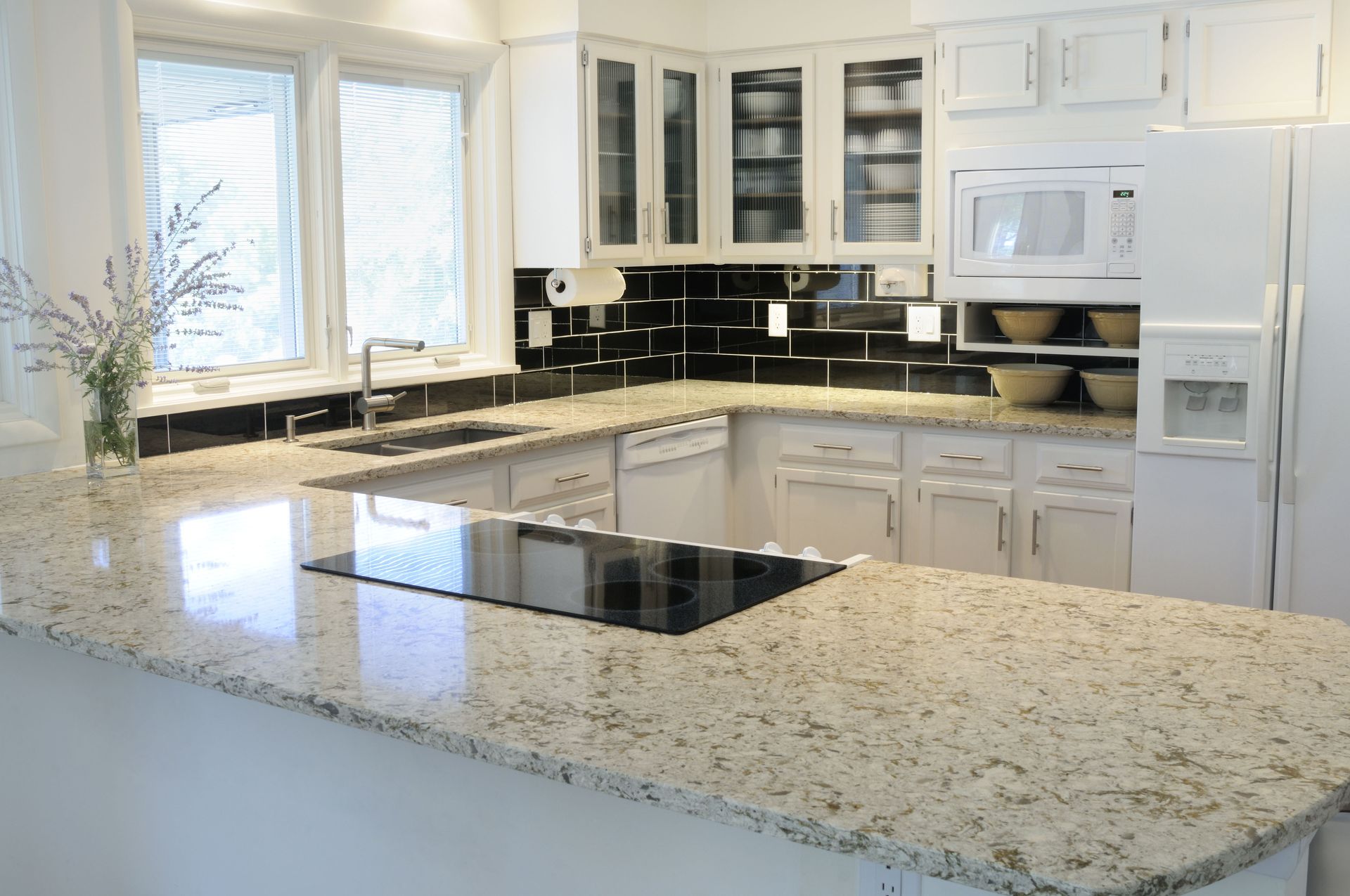
Natural stone surfaces bring unmatched elegance, organic beauty, and lasting durability to any kitchen or bathroom space. Among the most popular choices for modern homes, granite stands out because of its unique mineral patterns, incredible strength, and rich depth of color. Installing these stunning stone slabs represents a significant investment in your home that instantly elevates your interior design.
Proper stewardship guarantees that your stone surfaces retain their showroom brilliance and smooth finish throughout generations of daily living. While natural stone resists everyday wear, establishing an intentional preservation regimen protects your investment from accidental dulling, stubborn stains, and structural fatigue.
Taking a proactive approach to surface preservation prevents deep-set discoloration and surface degradation before minor issues expand into costly repairs. Everyday spills, improper cleaning solvents, and abrasive scrubbing pads can gradually degrade the natural luster of stone surfaces.
Establishing Daily Cleaning Routines
Maintaining a radiant surface begins with simple, consistent daily hygiene practices. Every time you prepare meals, microscopic food particles, grease splatters, and acidic liquids settle across your counters. Allowing these substances to linger on natural stone leads to dull patches and sticky residue that attract airborne dirt.
A gentle wiping with warm water and a soft microfiber cloth provides sufficient power to eliminate standard food residue. For more thorough cleanings, rely on mild liquid dish soap diluted in warm water rather than harsh commercial bathroom or kitchen sprays. This simple approach cleans thoroughly without leaving behind a cloudy soap scum layer.
Harsh chemical solutions such as bleach, ammonia, and acidic citrus formulas should never touch natural stone surfaces. These aggressive liquids strip away protective barriers and chemically etch delicate mineral crystals embedded within the rock. Stick to neutral formulas designed specifically for natural stone to keep the surface bright and pristine.
Consistently drying the countertops after washing prevents mineral deposits from developing along faucet fixtures and sink rims. Water left to evaporate naturally often leaves behind unsightly white rings, particularly in regions with mineral-heavy tap supplies.
Applying Protective Sealants Regularly
Natural stone possesses an inherent microporosity that readily absorbs unsealed liquids, oils, and moisture. Impregnating sealers penetrate deep beneath the top layer of stone to create an invisible barrier against moisture intrusion. Maintaining an active sealant layer keeps spilled liquids resting harmlessly on top rather than soaking deep into inner mineral pockets.
High-quality stone surfaces offer remarkable resilience, yet they still benefit immensely from reliable protective treatments. According to Home Depot, quartz, granite, quartzite, laminate, Dekton, and wood offer excellent heat resistance up to 400 degrees, proving just how naturally robust these premium materials are under intense domestic conditions. Adding an invisible seal enhances that natural strength against penetrating organic oils and dark liquids.
Conducting a quick water drop test reveals whether your counters require a fresh coat of sealant. Simply splash several drops of clean water across various high-traffic sections and observe how the stone reacts. If the droplets bead tightly on top, your barrier remains completely intact and effective.
Should the moisture soak into the stone and darken the surface, applying a fresh penetrating sealer becomes necessary. Spreading an even layer of premium stone sealer restores full resistance against daily spills within minutes. Allowing the treatment to cure properly ensures reliable protection against cooking oils, sauces, and dark beverages.
Managing Accidental Stains Promptly
Even the most vigilant homeowners occasionally encounter stubborn spills from dark condiments, fruit juices, or red wine. When dark liquids contact porous stone, acting quickly prevents pigments from migrating below the sealed surface layer. Blot the liquid immediately with an absorbent paper towel rather than wiping, which merely spreads the stain wider.
For stains that settle into stone pores, creating a localized poultice paste delivers exceptional extraction power. Mixing baking soda with a splash of water creates a thick, absorbent paste that safely draws trapped substances out of the rock.
As the poultice dries, capillary action pulls the stubborn pigment out of the stone and directly into the absorbent mixture. Gently scrape away the dried powder using a flexible plastic putty knife to avoid scratching the polished mineral face. Rinse the treated area thoroughly with warm water, dry it completely, and inspect the restored surface.
Oil-based marks from butter, cooking sprays, or salad dressings respond best when treated with a mild dish soap poultice. Petroleum-based stains lift gradually through repeated paste applications without causing any chemical burns to the underlying stone minerals. Patience and gentle poultice treatments resolve even deeply embedded blemishes safely.
Preventing Deep Physical Scratches
Natural stone ranks among the hardest materials found on earth, but polished finishes still require sensible physical precautions. Sliding heavy cast iron skillets, ceramic cookware, or rough stoneware across the surface can abrade the polished top coat. Over time, microscopic abrasion lines accumulate and diminish the natural reflective sheen of the stone.
Always place stable cutting boards beneath sharp knives when slicing ingredients for family meals. While natural stone easily dulls your metal kitchen blades, hard mineral inclusions in the slab can catch blades and suffer micro-chipping. Using dedicated bamboo or composite cutting boards preserves both your knife edges and your countertop integrity.
Placing felt or rubber pads underneath small kitchen appliances provides an extra cushion of safety across your prep zones. Heavy blenders, coffee grinders, and stand mixers vibrate during operation, creating friction that wears away stone polish.
Avoid resting heavy toolboxes, metallic hardware, or abrasive ceramic planters directly onto your stone surfaces. If you must set rough objects down temporarily, lay down a thick silicone mat or soft towel first. Preventing physical contact with rough, heavy items keeps the stone face looking flawless.
Using Trivets and Coasters
Shielding natural stone from sudden, intense temperature swings is essential for preventing thermal shock fractures. Placing hot baking sheets directly from the oven onto cold stone causes localized expansion that can trigger hairline fissures. While natural rock withstands tremendous heat, resting scorching cookware on insulated trivets eliminates unnecessary mechanical stress.
Coasters provide essential protection against condensation rings created by chilled beverage glasses and dripping beverage cans. Cold moisture pooling around glassware can slowly dissolve protective surface coats if left standing for hours. Encouraging household members to use coasters keeps your preparation surfaces dry and free from unsightly liquid rings.
Acidic drinks such as wine, tomato juice, citrus lemonade, and soda present severe chemical threats to unsealed stone. If droplets splash out of cups during lively parties, coasters and decorative trays contain the spills effectively. Catching acidic splashes before they contact stone surfaces prevents unsightly chemical etching.
Selecting Proper Repair Techniques
Over years of continuous domestic use, heavy impacts from dropped pots can cause minor edge chips around sinks. Fortunately, skilled stone restoration specialists can repair small chips using color-matched epoxy resin adhesives. Once filled, leveled, and polished, repaired edges blend seamlessly into the surrounding natural mineral pattern.
When routine maintenance fails to remove extensive dulling caused by decades of heavy traffic, professional stone honing restores original luster. Certified stone technicians use diamond-embedded polishing pads to grind away worn surface layers safely.
Never attempt to buff out deep scratches or dull chemical etches using household sandpaper, steel wool, or abrasive scouring pastes. These harsh DIY abrasive products scratch polished finishes further and create uneven hollows across your flat countertops.
Periodic professional evaluations keep your surfaces performing optimally as your home naturally shifts and ages. Experienced technicians inspect supporting cabinet structures, re-caulk backsplash joints, and apply commercial-grade impregnating sealants.
Investing thoughtful daily care into your stone surfaces guarantees lasting beauty, exceptional hygiene, and enduring home value. Proper cleaning techniques and reliable sealing protect your counters from everyday wear. For exceptional craftsmanship, premium stone selections, and expert restoration guidance, contact Acer Granite today to elevate your living spaces!